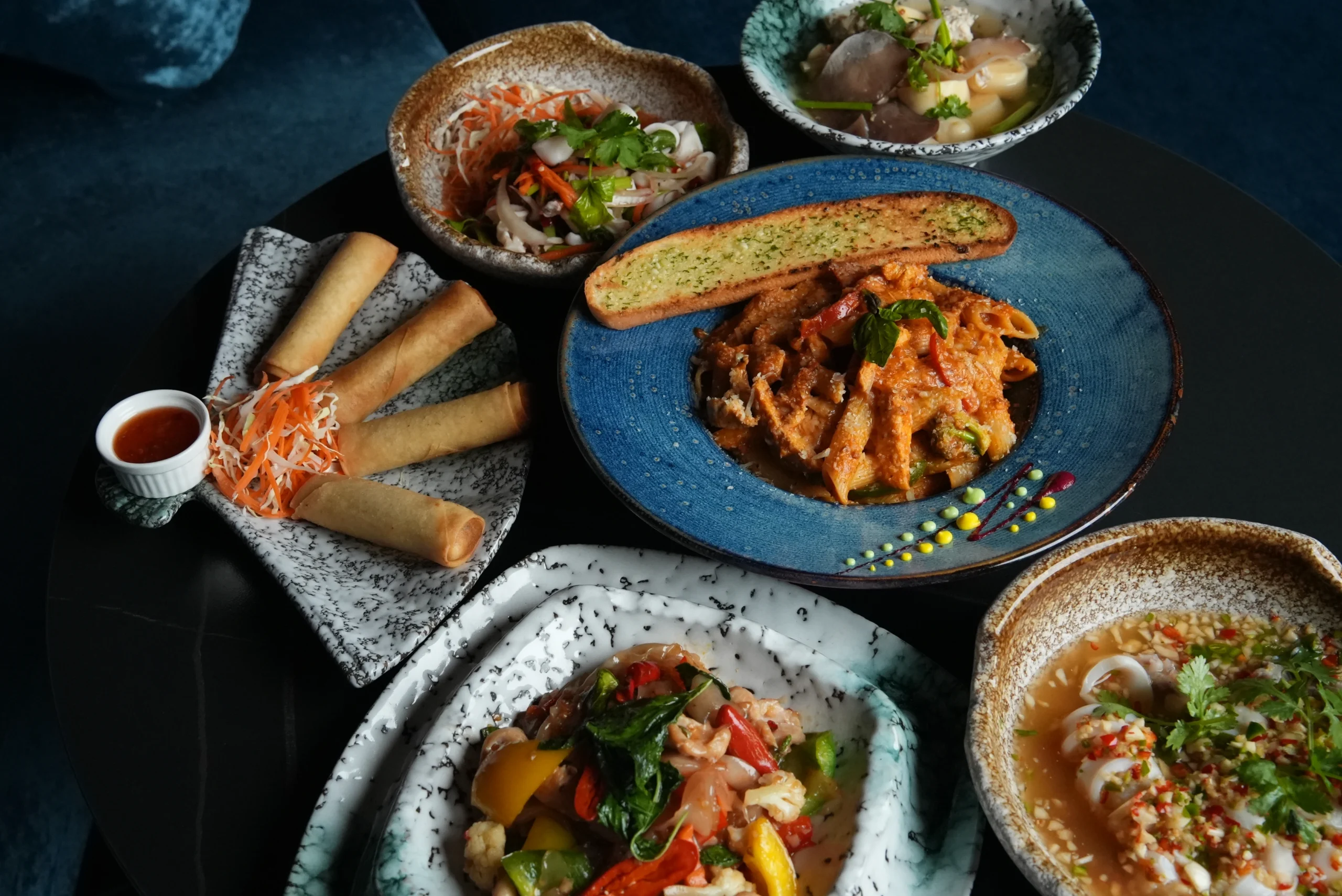
If your first experience with Authentic Indian food was butter chicken, naan and a spicy curry, you have only seen a little part of it. There isn’t really one single Indian flavor. What you eat can change a lot depending on which part of India the food comes from. Some regions use more rice, some more wheat, while dairy, coconut, lentils, seafood, meat and even the way spices are used can be completely different.
That is what makes progressive Indian cuisine much broader than the typical curry and naan that most of you are familiar with. So when getting to know Authentic Indian food, it makes more sense to understand how Indian food works rather than trying to remember a long list of dishes.
The Secrets of Indian Spices and Flavor Balance
Authentic Indian food is known for using a lot of spices and for its rich and complex flavor profile, but many people still confuse “spiced” with “spicy.” They are not the same! Indian cooking is more about how different spices, heat, aromatics, and cooking techniques work together to create a balanced flavor. Here is how Indian chefs use them to build flavor in each dish.
Spices and heat are different!
A common confusion with authentic Indian food is thinking that spiced means spicy. They aren’t the same thing! Chilli gives you heat. Cumin, cardamom, cinnamon, cloves, and mustard seed do completely different jobs. Some are earthy, some slightly sweet, some floral, citrusy or warming. A dish can use several spices and still be quite mild. What matters even more is what the chef in a specific Indian restaurant does with them.
Indian cooking isn’t usually about putting several spoonfuls of spice powder into a sauce and calling it done. Some spices are toasted first. Some are ground into a masala.
The Tadka Technique
One interesting technique is tadka. It’s when spices and aromatics are briefly cooked in hot fat, and that flavored oil can either become the beginning of the dish or be poured over it at the end.
The timing can make a big difference to the final flavor. For example, cumin cooked from the beginning will taste different from a fresh cumin tadka poured over dal just before serving, which will make it more aromatic. This is why two chefs can use the same spices and still create a dish with a different taste.
Spice Blending
If you are looking for a simple Indian spices guide, the main thing to remember today is that there isn’t one spice blend behind every Indian dish.
Let’s take garam masala as an example. It definitely isn’t a universal curry powder. The blend itself can change between regions and restaurants. In North India, the blend often uses warmer and aromatic spices, while in the South, the blend could be a bit more earthy with sharper notes.
Basic Combinations on an authentic Indian Table
Don’t expect that there is one fixed formula for an Indian meal. What appears on the table can change dramatically between regions. But if you are looking at an Indian restaurant menu for the first time, these are the main parts that you should know
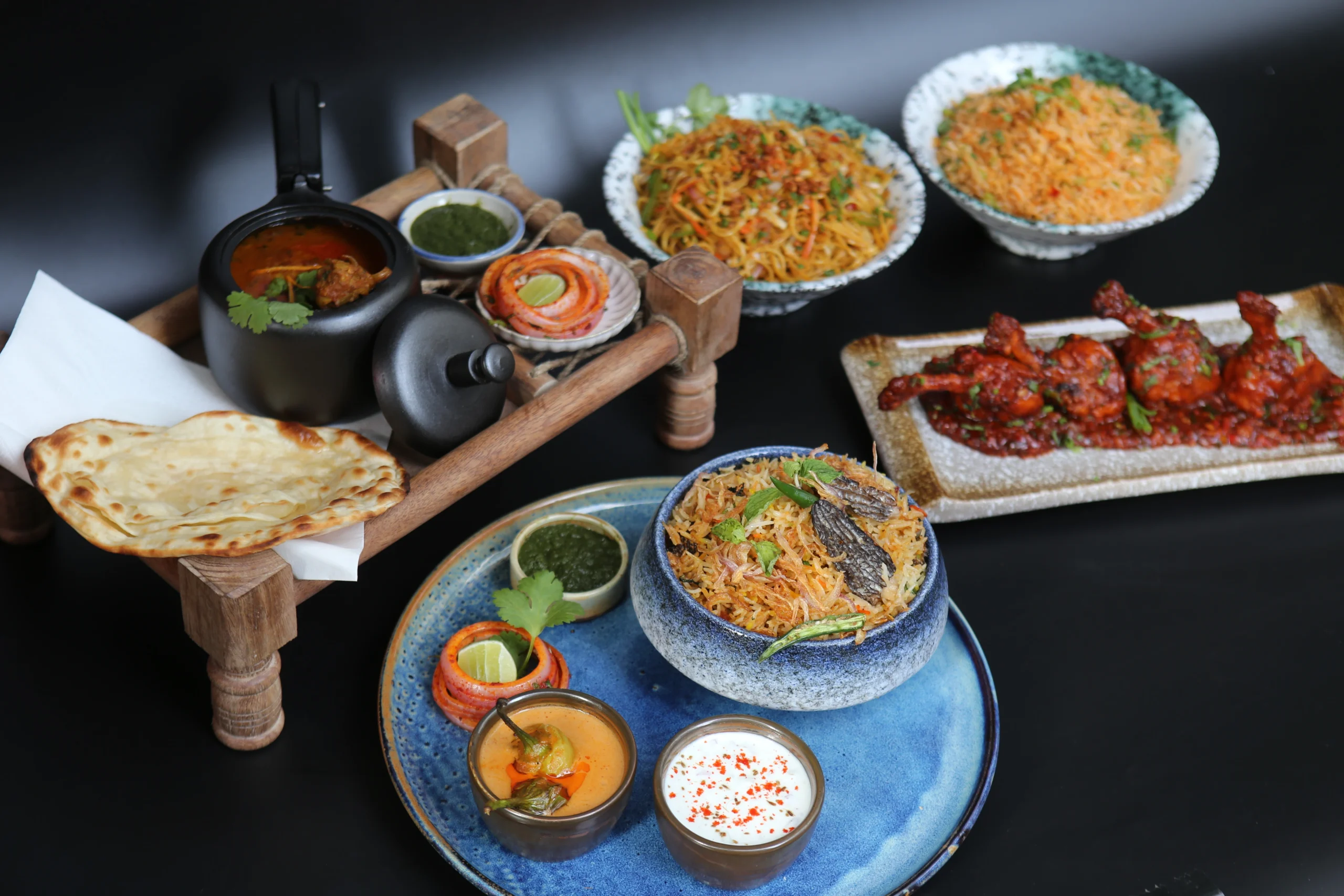
- Bread or rice: This is the main carb for the whole meal. You can normally find naan, roti, chapati and paratha, as they are common bread options, while rice can range from simple basmati to much more complicated preparations like biryani.
- Dal: This is a thick soup that you can scoop up using naan, roti or any bread.
- Vegetable, meat or paneer dishes: These usually become the main part of the meal. Some come with plenty of sauce, while others may be grilled, roasted or cooked much drier.
- Raita: Yogurt served alongside the meal. It is particularly useful when you want something cool and a little sour against a rich or hotter dish.
- Chutney or pickle: Usually eaten in smaller portions. They can bring acidity, sweetness and freshness to the plate.
Authentic Indian Dishes You Must Try!
It doesn’t matter if it’s your first time trying an authentic Indian food or if it’s part of your regular monthly meals. These are the dishes you should try and keep coming back to again and again.
Butter Chicken
If it’s your first time and a creamy tomato-based dish sounds right to you, butter chicken is a must! Butter chicken is a good first dish because it introduces Indian spices in a very approachable way. Chicken tikka brings a little smoky flavor, while the tomato gravy, butter and fresh cream make the sauce rich, smooth and slightly tangy rather than heavily spicy. It’s not too spicy and is also a good dish for understanding why an authentic Indian food isn’t always about heat.
Try butter chicken with naan so you can scoop up the creamy sauce together with the chicken.
Chaat
Chaat comes from Indian street-food culture and is all about having several tastes and textures in one bite, usually something crunchy together with tangy, sweet, spicy and cooling flavors. It is worth trying because it shows how Indian food can create complexity without relying on a heavy curry. At FINCH, that street-food idea is brought into a more modern restaurant setting while keeping the contrast that makes chaat fun to eat.
Indian-Inspired Naan Pizza
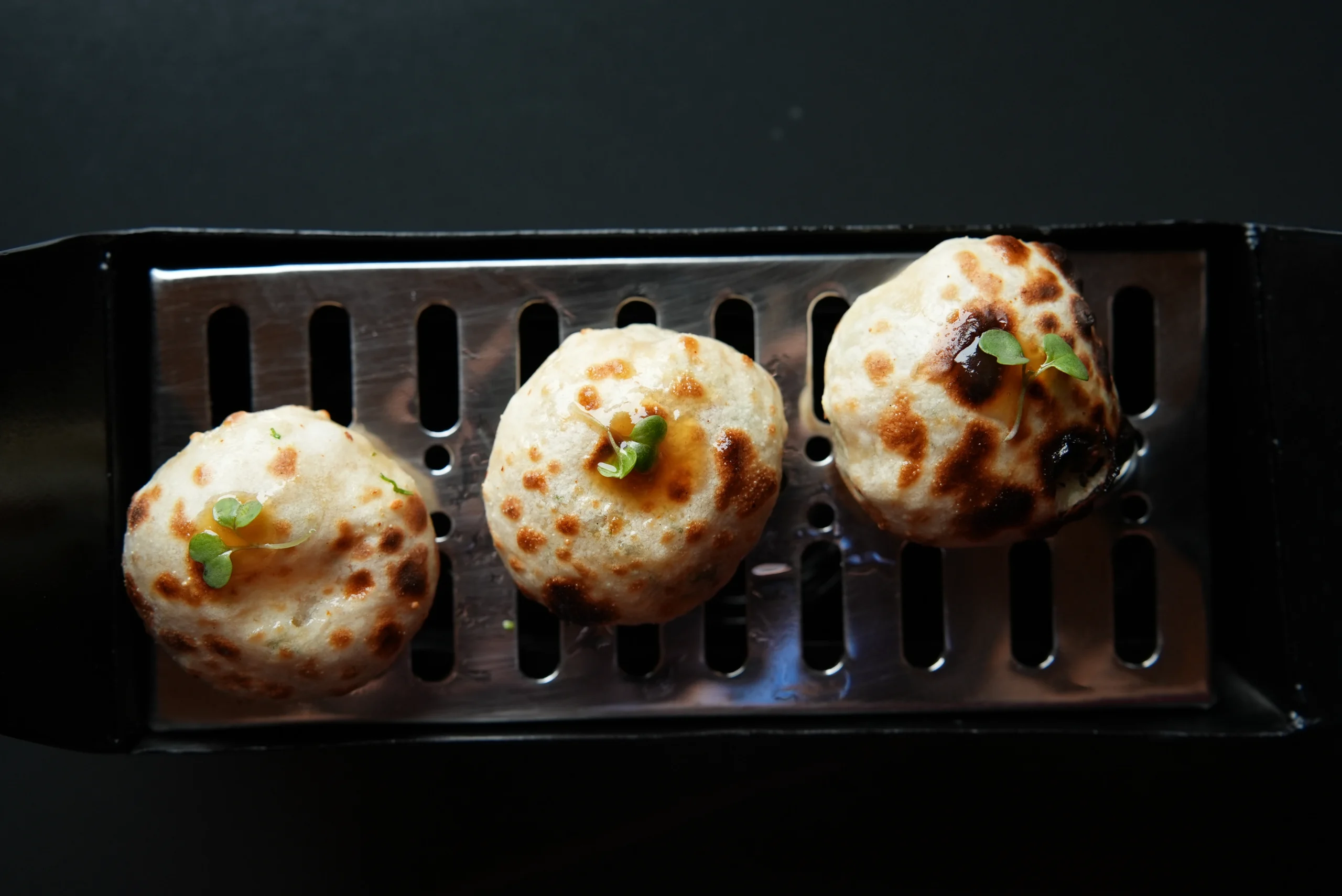
Indian pizza is another type of curry pizza. The naan pizza is a good dish to try if you want to understand what modern Indian cuisine can look like. It looks almost like a pizza you are familiar with but is built with naan, makhani curry, paneer tikka, green chilli and Indian spices instead of following the normal Italian combination. The naan gives you a soft and slightly chewy base.
Gucchi Biryani
Gucchi biryani is worth trying when you want to explore the more refined side of Indian food. Gucchi is a Himalayan morel mushroom with a deep and earthy flavor. It is cooked with long-grain rice and aromatic spices using the dum method (the ingredients cook together in a sealed pot). This lets the rice slowly absorb the mushroom and spice aromas rather than simply having sauce poured over it. The chutney and Burhani raita give you sharper and cooler flavors between bites, making it a great example of how a modern Indian restaurant in Bangkok can develop this dish around traditional cooking techniques. Hint: you may try this dish at FINCH!
Authentic Indian Food Restaurant vs Normal Indian Food Restaurant
Authenticity is more complicated than whether an Indian restaurant owns a clay tandoor or grinds every spice by hand. Those things can matter in giving the dishes great character, but there are more!
A better question is whether the kitchen understands why the dish works. Here are some things that actually set an authentic Indian restaurant apart:
- Spice handling: The spices should taste developed and balanced rather than raw or overpowering.
- Flavor balance: Richness should have the right acidity, heat and aromatic contrast for the dish.
- Texture: Something that should be crisp should arrive crisp, paneer should be handled properly, and sauces should have the texture intended for the dish.
- Cooking technique: Tandoor, smoke, tempering and other techniques should contribute to the food rather than become gimmicks.
- Understanding of the dish: Even a modern interpretation should still show an understanding of the regional or culinary foundation behind it.
This also explains why Indian food nowadays doesn’t automatically become less authentic.
A Modern Indian restaurant in Bangkok can reinterpret presentation, textures and techniques without throwing away the foundation of the dish. So a modern Indian restaurant does not mean it lacks tradition. Take FINCH as an example. They describe their own approach in similar terms, combining Indian flavors with contemporary presentation and global culinary techniques.
So, luxury Indian food is not just normal authentic Indian food with expensive ingredients and fancy plating. That is not true. Premium ingredients can add something, but a stronger luxury Indian food restaurant should also show more precision in technique, seasoning, texture, consistency and the overall dining experience.
Why Authentic Indian Food Is Great for Vegetarians
India has a long and substantial vegetarian food culture, and there is a huge part of the Indian population that describes themselves as vegetarian. We did some research and found that it is 39% of Indian adults, based on pewresearch.org.
Authentic Indian food is great for vegetarians because of that long history of culture and high demand for vegetarian food within the country. So there are many dishes that are based on chickpeas, beans, paneer, vegetables and grains, which makes it easier to find them in any Indian restaurant.
Experience a Modern Indian Restaurant
Once you understand how broad authentic Indian cuisine can be, modern Indian dining starts to make more sense.
At FINCH Bangkok on Sukhumvit Soi 11, the approach isn’t to choose between tradition and modern food. We position ourselves around progressive Indian flavors, contemporary culinary techniques, refined presentation, handcrafted cocktails and live music. That makes it suitable whether you already know Indian cuisine well or want your first experience to go beyond the familiar curry and naan combination.
We currently operate daily from 12 PM to 2 AM. If you want to experience our approach yourself, you can reserve a lunch table or explore the menu before visiting!
Frequently Asked Questions About Indian Food
What Is the Most Popular Indian Food for Beginners?
Butter chicken, dal, paneer dishes and naan are great starting points because the flavors are easy to understand. We would also add a chaat or biryani so your first meal shows you something beyond creamy curry.
Is Authentic Indian Food Always Spicy?
No. Some dishes might be a little. Authentic Indian food can contain many spices without being chilli-hot. Cardamom, cumin, coriander, cinnamon, fennel and other spices build aroma and depth, while chilli is only one source of heat.
What Is the Difference Between North Indian and South Indian Food?
Quick answer. North Indian cuisines make greater use of wheat breads, dairy and certain tandoor traditions, while Southern Indian cuisines mostly use rice, lentils, coconut, tamarind, mustard seed and curry leaves.
What Are the Essential Spices Used in Authentic Indian Cooking?
The most common essential spices are cumin, coriander, turmeric, cardamom, mustard seed, fenugreek, cloves and cinnamon. But there isn’t one mandatory Indian spice set. The combination changes according to the dish and region.
What Should I Order at an Authentic Indian Food Bangkok Restaurant for a Complete Meal?
A simple formula is one main dish, one dal or vegetable dish, one bread or rice and one contrasting side such as raita or chutney.