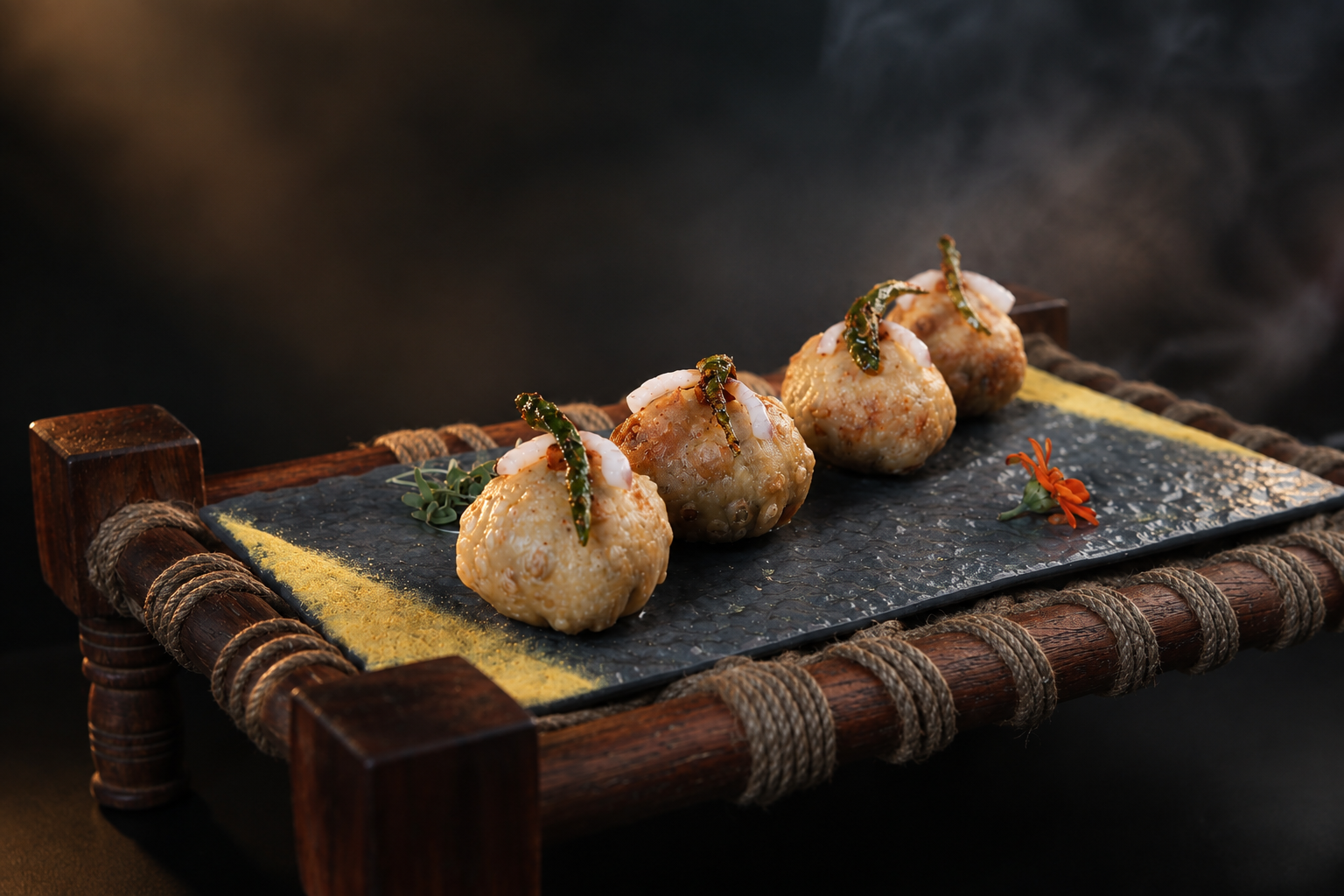
When most people think of Indian food, they are usually thinking of North Indian food. Butter chicken, naan, tandoori, rich gravies. It is the version of Indian cooking that traveled the world first and became the global reference point for the cuisine. In Bangkok, most Indian Food restaurants are rooted in this tradition.
But knowing what makes it Northern, and what separates it from other regional styles, helps you order better and understand what you are eating.
What Is North Indian Food?
North Indian food covers a wide region like Punjab, Rajasthan, Uttar Pradesh, Kashmir, and Delhi among others, but shares a common culinary foundation built around wheat, dairy, and slow-cooked spiced gravies.
How the Mughal Kitchen Shaped North Indian Cooking
The biggest influence on the cuisine was the Mughal Empire, which ruled much of the subcontinent from the 16th to 19th centuries. The Mughals brought Persian and Central Asian cooking techniques into Indian kitchens: the tandoor oven, slow dum cooking, rich meat preparations, and the use of dried fruits and nuts in savory dishes.
That influence is still visible in almost every North Indian food menu today. Dishes like biryani, korma, and seekh kebab all trace back to that period. The Mughal kitchen was not just about new ingredients, it also changed how Indian cooks thought about layering flavor and slow-cooking meat.
What Makes North Indian Food Different?
The most direct comparison is with South Indian Food, which is built on rice, lentils, coconut, and tamarind. North Indian food goes in a different direction almost entirely.
- Wheat over rice. Roti, naan, paratha, and puri are the daily staples. Bread is how most North Indians eat curry, not a side item. Rice exists but plays a supporting role outside of biryani.
- The tandoor as a cooking tool. The clay oven is central to North Indian cooking in a way it is not in the south. Tandoori chicken, naan, and seekh kebab all depend on the high dry heat of a tandoor for their texture and char. The smokiness you get from a proper clay oven is hard to replicate any other way.
- Dairy-heavy gravies. The signature curries like butter chicken, dal makhani, and korma get their body from cream, yogurt, or butter. This is what gives them the smooth, rich quality that South Indian gravies which are built more on coconut and tamarind do not have.
- Whole and ground spices used together. North Indian cooking layers Indian Spice differently from the south. Garam masala, cumin, coriander, and cardamom appear in both whole and ground form, often added at different stages of cooking to build depth rather than heat.
Want to know more about the difference? Read North Indian vs. South Indian Food
How to Read a North Indian Menu Before You Order
A North Indian food menu tends to follow a fairly consistent structure once you know what to look for. Most restaurants organize dishes into a few broad categories.
- Tandoori section. This is where the clay oven dishes live like whole chicken, kebabs, fish tikka, and paneer. These are dry preparations, not curries. They are usually served with mint chutney and sliced onion rather than gravy.
- Curries and mains. This is the largest section and covers both vegetarian and meat options. Expect cream or yogurt-based gravies, dal preparations, and paneer dishes. The spice level varies by dish, for example; korma is mild, rogan josh is medium, and anything described as Rajasthani or Andhra-influenced tends to run hotter.
- Bread. Naan, roti, paratha, and puri are not interchangeable. Naan is leavened and cooked in a tandoor. Roti is unleavened whole wheat. Paratha is layered and often pan-fried. Puri is deep-fried and puffs up when it hits the oil. Which one you order changes the texture of the meal.
- Biryani. Biryani in North India is a full meal on its own, not a side dish. The Lucknowi and Hyderabadi styles are the most well-known, both using the Dum method where rice and meat are sealed together and slow-cooked. It is worth ordering separately rather than alongside a curry.
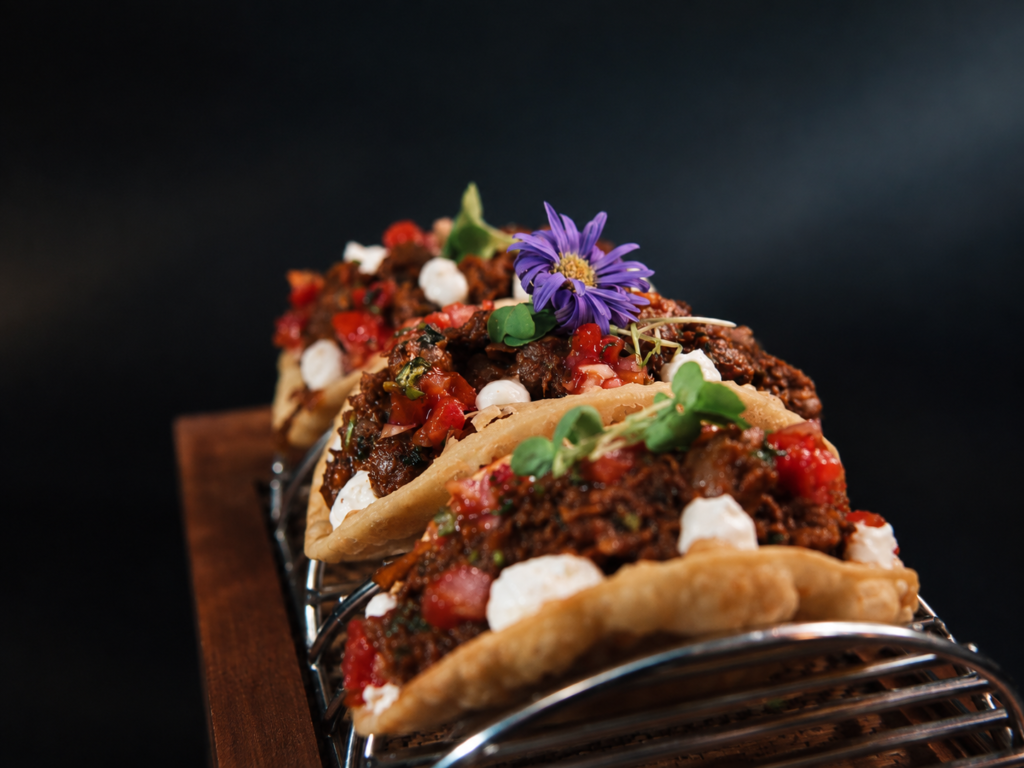
The Dishes That Define North Indian Cooking
These are the dishes that appear on almost every North Indian food list for good reason. They represent the cuisine at its most essential.
- Butter Chicken. Probably the most recognized Indian dish in the world. Chicken tikka simmered in a tomato-cream gravy with butter and spices. The gravy should be smooth and slightly sweet, not sharp or thin.
- Dal Makhani. Black lentils cooked overnight with whole spices, finished with butter and cream. The overnight process is what gives the dish its depth. A rushed version tastes noticeably thinner.
- Rogan Josh. A Kashmiri lamb curry built on aromatic spices rather than chili heat. The deep red color comes from Kashmiri chili, which adds color without making the dish aggressively spicy.
- Chole Bhature. Spiced chickpeas served with deep-fried puffed bread. Common as a North Indian food breakfast in Punjab and Delhi, though substantial enough to work as a full meal at any time of day.
- Seekh Kebab. Minced meat seasoned with spices and herbs, shaped around a skewer and cooked in the tandoor. One of the clearest examples of famous North Indian food that owes its character directly to Mughal influence.
At Finch Bangkok, a few of these show up in forms worth trying:
- Butter Chicken: Chicken tikka in rich tomato gravy with butter and fresh cream. A good baseline for what the dish is supposed to taste like when made properly.
- Dal Makhani: Black lentil cooked overnight with whole spices, finished with butter and cream. When it is done right, the result is noticeably different from a rushed version. One of the best ways to judge a North Indian kitchen.
- Punjabi Style Lamb Chop: New Zealand lamb marinated with spices, slow cooked and finished in a charcoal tandoor, served with kachumber salad and mini garlic naan. The tandoor char and spice marinade working together is exactly what North Indian meat cooking is supposed to feel like. A solid choice from the Indian lunch set at the end of the menu.
Three Things That Tell You a North Indian Restaurant Is Doing It Right
The Tandoor Is Actually Being Used
A kitchen without a tandoor cannot properly produce the dishes that depend on one. Naan baked in a regular oven and chicken grilled on a flat surface produce a noticeably different result. If the menu is built around tandoori items but the kitchen has no clay oven, the food will not taste the same.
The Dal Has Been Cooked Low and Slow
Dal makhani is one of the clearest tests of a North Indian food restaurant. It is supposed to be cooked overnight. A version that has been rushed tastes thin and under-developed. If the dal makhani is good, the kitchen probably understands the cuisine.
The Bread Is Made Fresh
North Indian breads should be made to order. Pre-made or reheated naan and paratha lose their texture quickly. It is one of the easier things to cut corners on, and one of the easier things to notice when a kitchen has.
What to Look for in North Indian Food in Bangkok
Most Indian restaurants in Bangkok serve food rooted in Northern cooking, which means there are plenty of options. The variance in quality, though, is significant. The three markers above like tandoor, dal, and fresh bread can be applied whether you are eating at a neighborhood spot or somewhere more considered.
For a North Indian food recipes-driven experience with a fine dining approach, Finch Bangkok is worth the visit. The menu draws from several Northern traditions and the kitchen uses a charcoal tandoor, which shows up clearly in the meat and bread preparations.
If you want to explore more of the menu in one sitting, the Chef’s Table format gives you a structured path through several dishes. A reasonable option for a first visit to an Indian Fine Dining Bangkok Restaurant.
For a side-by-side understanding of how North Indian cooking compares to the rest of the country, North Indian vs. South Indian Food covers the differences in more detail.
FAQ about South Indian Food
Is North Indian food suitable for vegans?
It takes more navigation than most cuisines. Dairy is central like ghee, cream, yogurt, and butter appear constantly and most of the signature dishes are not naturally Vegan Indian compatible. Dry tandoori vegetable preparations, certain lentil dishes made without cream, and some bread options can work. It is worth asking the kitchen directly rather than assuming from the menu description.
What is a good North Indian food breakfast to try?
Aloo paratha, a whole wheat flatbread stuffed with spiced potato, served with yogurt and pickle. It is the most common starting point. Chole bhature is the more indulgent option. Both give you a clear sense of how North Indian breakfast cooking differs from the dinner table.