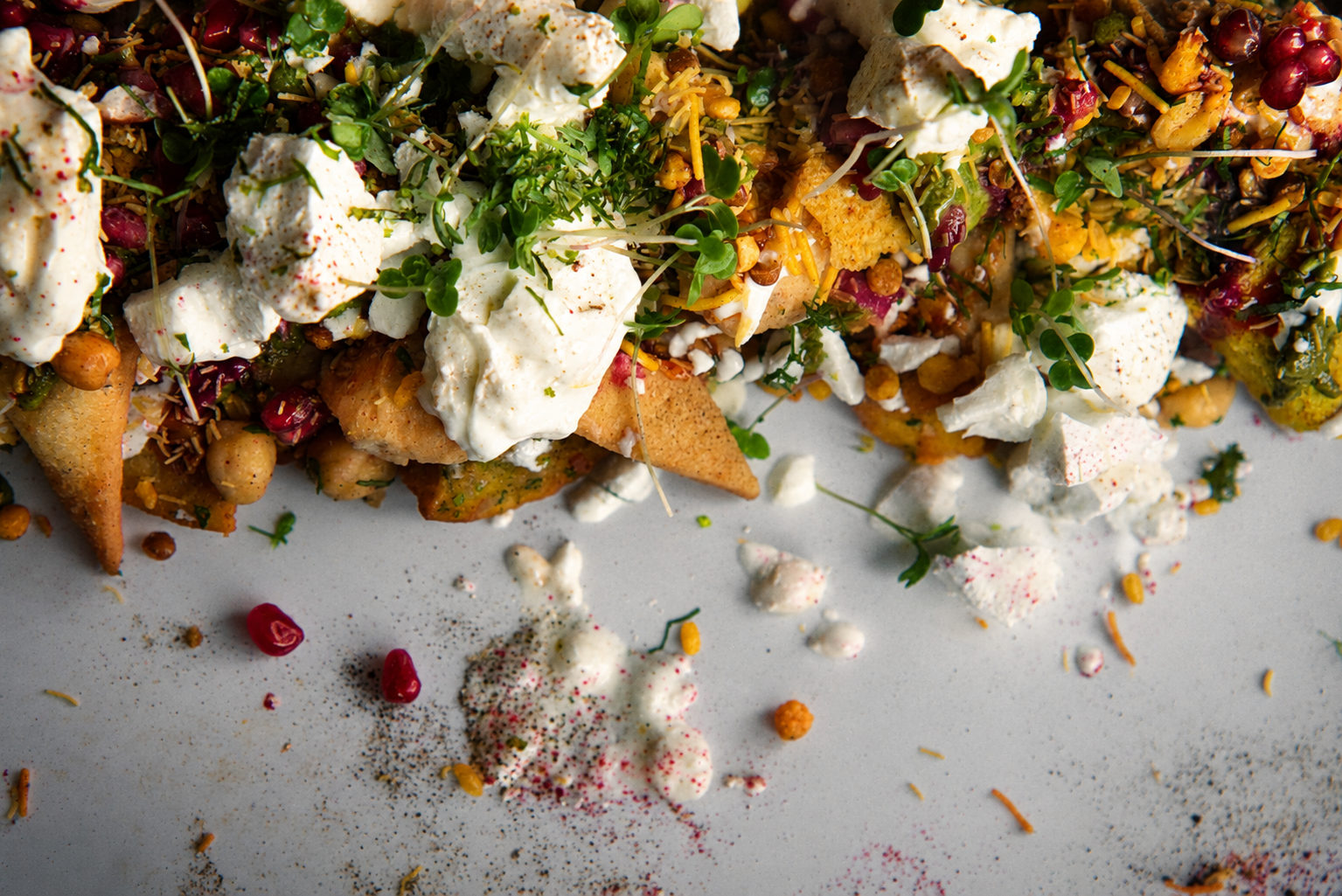
Indian food has one of the strongest vegetarian traditions of any cuisine in the world. Not because meat is absent, but because the plant-based side of the menu was never an afterthought. Lentils, paneer, chickpeas, and vegetables have always held the center of the table, especially across North Indian Food and South Indian Food cooking.
If you are navigating an Indian Food menu as a vegetarian, this guide covers what defines the cuisine, which dishes to know, and how to order with confidence.
Why Vegetarian Indian Food Is Built Different
India has the largest vegetarian population in the world, and that shapes how the cuisine is structured from the ground up. Vegetarian cooking here is not a substitution track. It is the main event in many households and regions.
The ingredient base reflects this. Lentils, chickpeas, paneer, seasonal vegetables, rice, and bread carry most of the menu. Indian spices do the heavy lifting on flavor, which means vegetarian dishes never feel underpowered. A well-made dal or chana masala is as satisfying as anything on the non-vegetarian side.
North vs. South: Which Is More Vegetarian-Friendly?
Both are vegetarian-rich, but they work differently.
- South Indian Food leans heavily on rice, lentils, tamarind, and coconut. Dishes like sambar, dosa, idli, and rasam are traditionally vegetarian and built around these ingredients. Coconut oil and coconut milk replace dairy in many preparations.
- North Indian Food relies more on dairy like paneer, yogurt, cream, and ghee appear throughout. The vegetarian options are plentiful but often richer. Dal makhani, paneer curries, and stuffed breads define a large part of the menu.
Neither is better. They are just different in how they build flavor.
The Best Vegetarian Indian Dishes to Know
These are the Indian vegetarian dishes that appear consistently across regional styles and restaurant menus.
- Chana Masala. Chickpeas cooked in a tangy, spiced tomato and onion gravy. One of the most reliable vegetarian Indian dishes on any menu.
- Dal Tadka. Yellow lentils tempered with cumin, garlic, and dried chili in hot oil or ghee. Simple, deeply satisfying, and a staple across both home and restaurant cooking.
- Paneer dishes. Paneer is fresh Indian cottage cheese and it anchors a large part of the North Indian vegetarian menu. Paneer tikka, kadhai paneer, and shahi paneer each use it differently like being grilled, stir-fried, or simmered in gravy.
- Aloo Gobi. Potato and cauliflower cooked dry with turmeric and cumin. A quiet dish but a good one, often paired with dal or bread.
- Biryani (vegetarian versions). Jackfruit biryani and mushroom biryani follow the same dum-cooking method as meat biryanis, sealed and slow-cooked with whole spices and fragrant rice.
- Vegetarian Thali. A thali is a curated set meal that gives you a spread of dishes in one sitting such as dal, sabzi, rice, bread, and accompaniments. It is one of the best ways to sample range across an Indian Food menu. We also offer a version of this as part of their Indian lunch set.
How to Cook Vegetarian Indian Food at Home
Vegetarian Indian recipes are more accessible than most people assume. The techniques are not complicated. What takes time is understanding how each element works, and that only comes from cooking the same dishes a few times.
Start with Tempering
Tempering, or tadka, is where most vegetarian Indian dishes begin. Heat oil or ghee in a pan, then add whole Indian spices such as cumin seeds, mustard seeds, or cardamom. Within seconds, they release their oil into the cooking fat and that becomes the flavor base for everything that follows.
Ground spices come later. They go in after the onion and tomato base is built, not at the start. Adding them too early burns them. Adding them too late means they never cook into the dish properly. The sequence matters more than the quantities.
Build Your Spice Base
Most vegetarian Indian dishes follow the same foundation: onion cooked until dark, ginger-garlic paste added and cooked out, then tomato. Once the tomato breaks down and the oil separates from the mass, that is when ground spices go in.
Cumin, coriander, turmeric, chili powder, and garam masala cover most bases. The ratio changes by dish, but the process is the same. This is the part that takes repetition to get right, and it is also the part that separates a restaurant result from a home attempt.
Choose Your Protein Base
Paneer holds heat well and takes on marinades. It works in dry preparations like tikka and in rich gravies. Lentils dissolve into the sauce and build the body from the inside. Chickpeas hold their shape and add texture. Each one changes how the dish feels, not just what it contains.
Most home cooks start with lentils because they are forgiving and fast. Paneer dishes come next because the technique transfers. Getting either to taste the way they do in a proper Indian Food kitchen is harder than it looks. The difference usually comes down to heat, time, and the quality of the spice base.
How to Order Vegetarian at an Indian Restaurant
Most Indian menus are clearly labeled, but a few things are worth knowing before you order.
- Paneer is your anchor. Most vegetarian Indian restaurant menus feature paneer prominently across starters, mains, and even bread-based dishes. It is the most versatile protein on the vegetarian side.
- Ask about the dal. Dal is often finished with a ghee tempering. That makes it vegetarian, not vegan. For most vegetarians, this is fine, but it is worth knowing if you are tracking dairy.
- Bread choices matter. Roti and paratha are reliable. Naan sometimes contains yogurt in the dough but remains vegetarian. Both work.
- Look for these sections: Starter (Vegetarian), Mains Indian, and Biryani. Most restaurants separate vegetarian items clearly and consistently.
Vegetarian Indian Food at Finch Bangkok
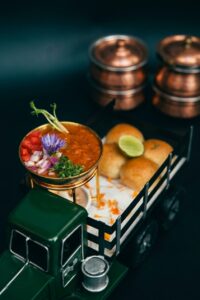
Finch is a Modern Indian Restaurant Bangkok that covers both North and South Indian traditions. The vegetarian section goes well beyond the standard paneer curry, with dishes that reflect both regional roots and a more contemporary approach. Here’s a few worth ordering..
- Pindi Chana Masala. Chickpeas in a tangy spiced gravy tempered with carrom seeds.
- Dal Tadka. Yellow lentils tempered with cumin, garlic, and ghee. A kitchen staple done properly.
- Paneer Tikka 3 Way. Paneer marinated three ways and done in a clay Tandoori oven.
- Hara Masala Kebab. Spinach, green peas, ginger, and spices, deep fried and served with chutney.
- Kathal Dum Biryani. Young jackfruit cooked with fragrant rice and whole spices in a sealed dum pot.
- Birbali Kofta. Spinach and paneer kofta stuffed with mushroom, in spinach and tomato gravy.
Located in Fine Dining Sukhumvit, with a full cocktail program and live music on weekends.
FAQ
Is Indian food good for vegetarians?
Yes. The vegetarian tradition in Indian cooking runs deep, and the plant-based side of the menu is as developed as the non-vegetarian side.
What is the most popular vegetarian Indian dish?
Dal, paneer dishes, and chana masala appear on almost every Indian menu. Paneer tikka is one of the most ordered starters across vegetarian Indian restaurant settings.
Can vegetarians eat naan?
Yes. Naan contains dairy in the dough but no meat or eggs, so it is vegetarian.
What is paneer?
Paneer is fresh cheese made from milk. It is central to North Indian vegetarian cooking and appears across starters, mains, and biryani.
What is a vegetarian thali?
A thali is a set meal served with multiple dishes like dal, a vegetable curry, rice, bread, and condiments. It is one of the best ways to explore a range of vegetarian Indian dishes in one sitting.