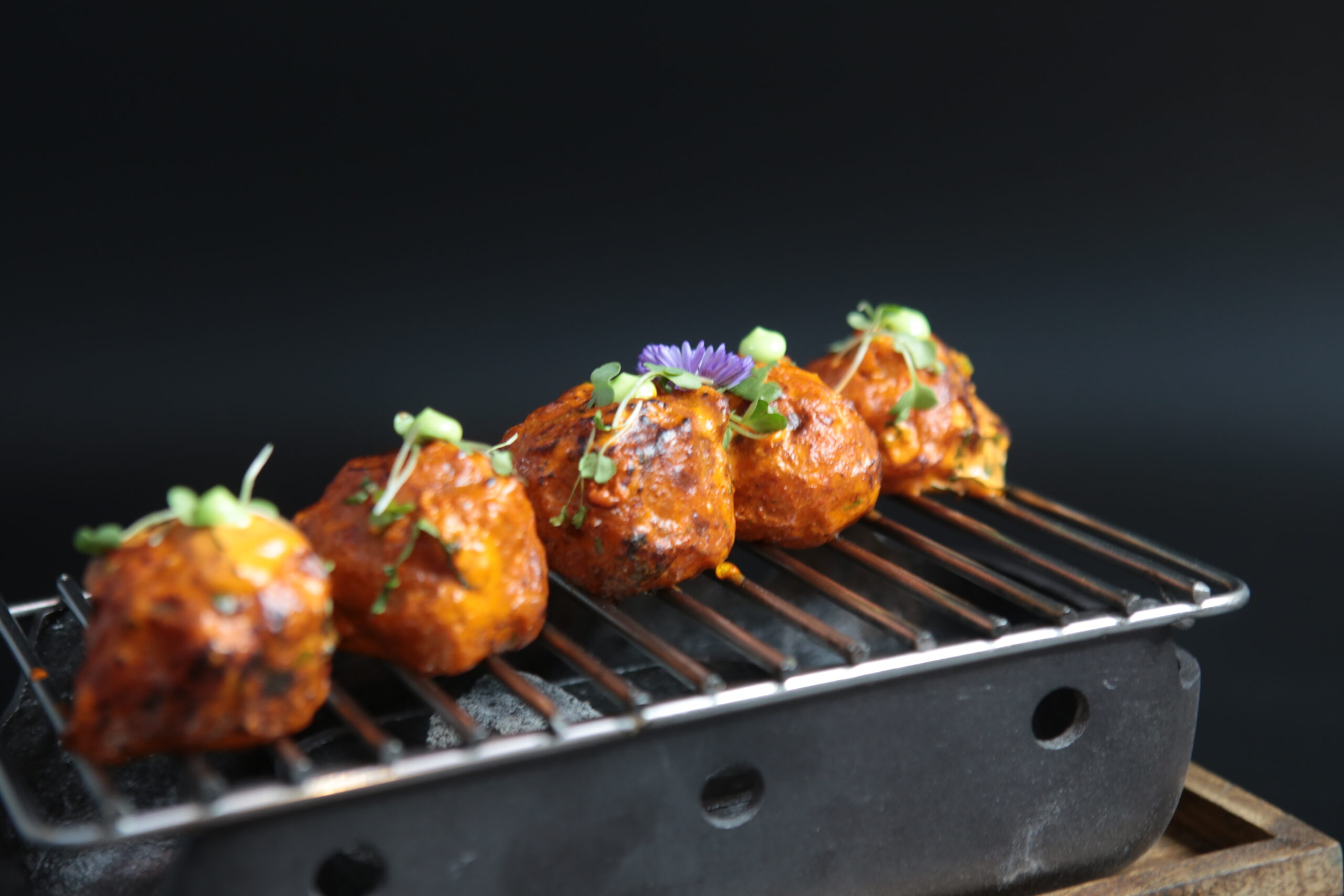
Tandoori cooking has a way of announcing itself before the food even arrives. The smoky char, the deep color, the smell of spiced meat coming off a live fire. It is one of the most recognizable cooking styles in the world, and it has been done largely the same way for centuries.
For good reason. The results are hard to replicate any other way.
What Is a Tandoor?
A tandoor, which you may also have seen spelled as “tandoori,” is a common type of Indian grill found in many traditional Indian restaurants. A tandoor is a cylindrical clay oven fired by charcoal or wood, with temperatures reaching around 480°C or 900°F, which is significantly hotter than a conventional oven.
That extreme heat is what makes the technique distinct. At that temperature, moisture on the surface of the food evaporates almost instantly, creating a charred exterior while the inside stays juicy. No pan, grill, or standard oven produces the same result.
The tandoor is one of the defining features of North Indian Food, where clay oven cooking and rich spiced gravies are central to the cuisine. It is a different tradition from South Indian Food, which centers on fermented batters, coconut, and rice rather than open-fire roasting.
Key Secrets of Tandoori Marination
The clay oven does half the work. The marinade does the other half! Traditional tandoori marination happens in two stages, and skipping either one changes the result.
Step One: The Tenderizing Base
The first marinade is simple, started with lemon juice and salt. The acidity breaks down the surface of the meat and opens it up to absorb the second marinade more deeply. This stage usually runs 20 to 30 minutes.
Step Two: The Spiced Yogurt Layer
The second marinade is where the flavor is built. Hung curd (yogurt with the water strained out) is mixed with Indian Spice blends, typically tandoori masala, ginger, and garlic paste. The hung curd clings to the meat better than regular yogurt and creates the slightly charred, slightly creamy coating that tandoori is known for.
The quality of the spice blend matters here. Good tandoori masala gives the dish its deep red color naturally, mostly from Kashmiri red chili, without any artificial coloring.

What Goes Into Tandoori Masala
Tandoori masala is the spice blend at the center of the marinade. The exact mix varies by kitchen, but the traditional base stays fairly consistent.
- Kashmiri red chili (for color and mild heat)
- Cumin
- Coriander
- Garam masala
- Turmeric
- Black pepper
- Cardamom
- Dried fenugreek leaves (Kasuri Methi)
- Ginger powder
- Garlic powder
The Kashmiri red chili is a must-known ingredient. It gives tandoori chicken and other dishes their signature red color without making the food too spicy. Restaurants that use artificial coloring instead produce a visually similar result but the flavor will be different.
What You Can Cook in a Tandoor
The clay oven is more versatile than most people realize. It is not just for chicken.
- Meat. Chicken tandoori chicken, lamb chops, and seekh kebab are the most common. The bone-in cuts benefit most from the high heat, which chars the outside while keeping the inside moist.
- Seafood. Fish tikka and prawns work well in the tandoor. The high heat cooks seafood quickly without drying it out, and the spiced marinade holds up to the intensity of the fire.
- Bread. Tandoori roti and naan are slapped directly onto the inner wall of the oven. They cook in minutes and develop a slight char and chew that you cannot get from a pan or a regular oven.
- Vegetables and paneer. Peppers, onions, and paneer take the marinade well and char beautifully at high heat. A good option for those eating vegetarian.
Popular Tandoori Dishes You Must Try
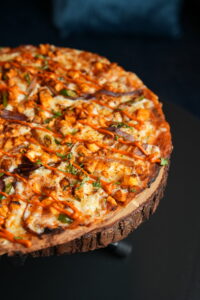
Most of the best-known tandoori dishes appear on Finch Bangkok’s menu in forms that reflect both the traditional technique and the kitchen’s own approach.
- Classic Chicken Tikka. Boneless chicken marinated in curd and spices, done in a charcoal tandoor. The version that most people use as their reference point for chicken tandoori tikka.
- Chicken Tikka Our Way. Chicken thigh in spicy peri-peri and cilantro pesto marinade, clay oven cooked. A less traditional take, but the tandoor technique stays intact.
- Punjabi Style Lamb Chop. New Zealand lamb, slow-cooked and finished in a charcoal tandoor. One of the better examples of what the oven does to bone-in meat.
- Tandoori Chicken Popcorn. Bite-sized chicken in spiced batter, crispy fried with a secret spice blend. A lighter entry point into the tandoori flavor profile.
- Tandoori Paneer Tikka Naan Pizza. Naan base with paneer tikka, makhani curry, and spice mix. The naan is made in the tandoor, which is what makes the base work.
If you want to understand what a charcoal tandoor actually does to food, the best way is to eat something that came out of one recently.
Finch Bangkok uses a charcoal tandoor across several dishes on the menu, and the results show in the char and the texture in a way that is hard to miss. As an Indian Fine Dining Bangkok Restaurant, Finch pairs that traditional technique with considered plating, cocktails, and live music. We have a setup that works whether you are coming in for a full evening or just want to try the lamb chop and a drink.
For anyone exploring Indian Food in Bangkok beyond the standard curry-and-naan format, the tandoor dishes at Finch are a good place to start.
Frequently Asked Questions About Tandoori
Is tandoori food healthy?
Generally yes. The cooking method uses high dry heat rather than oil or fat, so dishes like tandoori chicken are lower in fat than pan-fried or deep-fried alternatives. The yogurt marinade adds protein, and the spice blend carries known anti-inflammatory properties. It is one of the leaner ways to eat meat at an Indian tandoori restaurant.
What gives tandoori dishes their bright red color?
At premium restaurants, the color comes from Kashmiri red chili in the tandoori masala. It gives a deep brick-red without too much heat. Some restaurants use artificial food coloring to achieve a similar look, but it usually gives a too bright color.
What is the difference between Tandoori Chicken and Chicken Tikka?
Tandoori grill chicken is typically a larger bone-in piece such as a drumstick or thigh being marinated and cooked whole in the clay oven. Chicken tikka uses boneless cubes of chicken, skewered and cooked the same way. The marinade is similar, but the cut and the portion size are different. Tikka is easier to eat in pieces; tandoori chicken is more of a full portion.