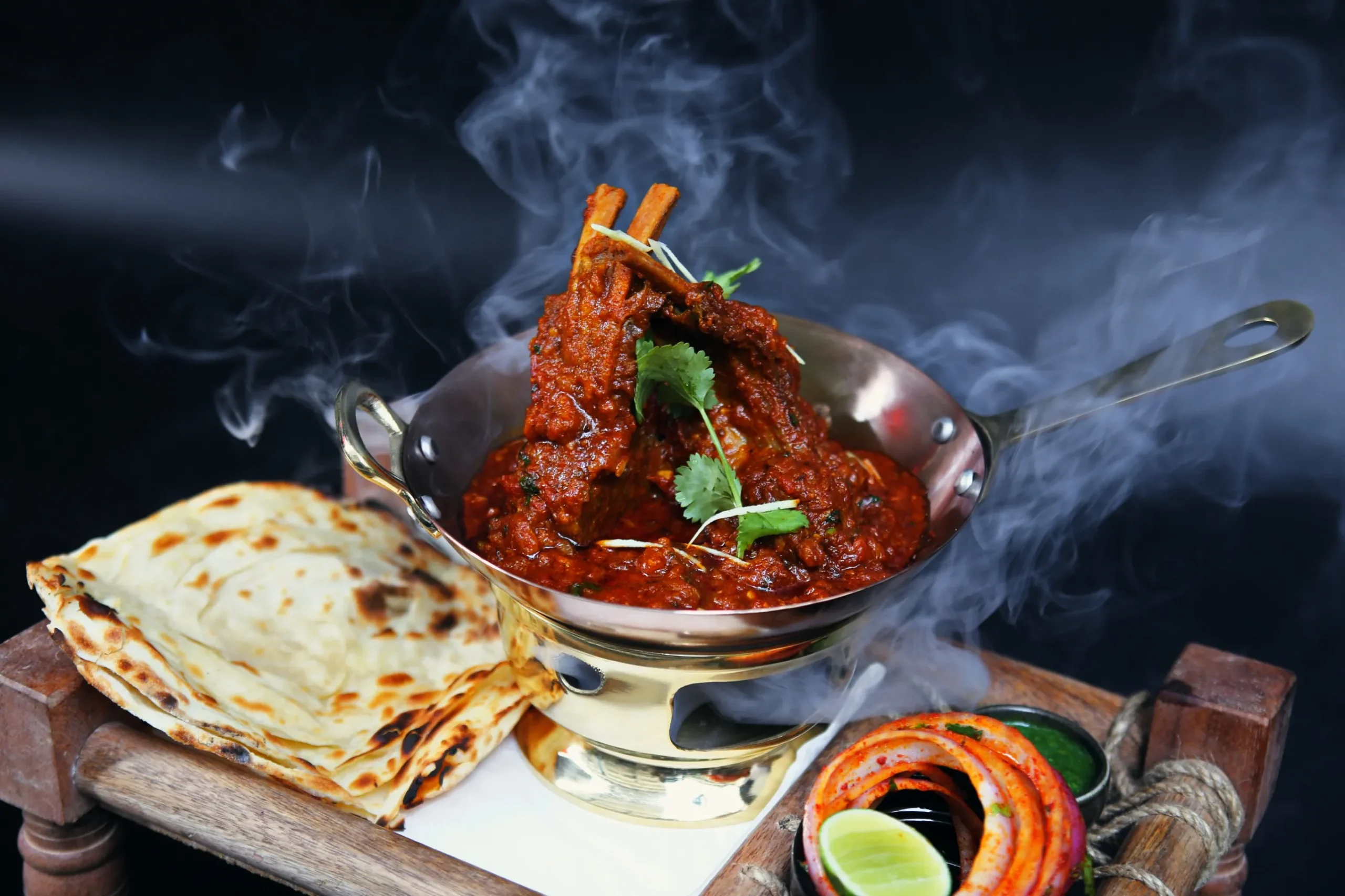
Masala is one of the most used words in Indian cooking and one of the most misunderstood. It is not the name of a single spice. It simply means a mixture, and in the kitchen it points to the art of blending spices so that no single flavor shouts over the others.
That is why masala is not just about heat. A good blend is fragrant, layered, and balanced, with warmth, sweetness, and a little sharpness in every bite. If you are exploring Indian Food Bangkok, understanding masala is the quickest way to understand why the dishes taste the way they do.
Why Masala Is the Key to Authentic Indian Flavor
Take the same chicken, the same tomatoes, and the same onions. Cook them with one masala and you get a creamy, smoky tikka masala. Cook them with another and you get a dry, sharp, peppery curry. The ingredients never changed. The blend did.
Every spice has a job. Cumin is earthy, coriander is citrusy, cardamom is sweet and cooling, and chili brings the heat. Learning how each Indian Spice behaves is what creates flavor balance, and it is why two cooks can make the same dish and get very different results.
The Main Types of Masala
Masala comes in two broad forms. Dry blends are ground spice mixes, and wet masalas are cooked bases that form the body of a gravy. Most Indian dishes use both, at different stages of cooking.
1. Dry Spice Blends
The most famous dry blend is garam masala. Garam means warm, so this blend is about aromatic warmth rather than chili heat. Cumin, coriander seed, cardamom, cloves, and cinnamon are toasted and ground together, and every family has its own ratio.
Garam masala spice is usually added at the end of cooking. Its aroma is delicate, and a long simmer would dull it. A small pinch over a finished curry wakes the whole pot up.
Other dry blends follow the same logic. Chaat masala is tangy and salty for street snacks. Masala chai uses cardamom, ginger, and cinnamon, steeped into milky tea. Tandoori masala leans on Kashmiri chili, ginger, and garlic, which gives grilled meat its deep red color.
2. Wet Masala Bases
A wet masala is the foundation of most North Indian gravies. Onions are cooked down slowly, then ginger and garlic go in, followed by tomato. Everything cooks until the oil separates from the mass and the paste turns thick and glossy.
This base is what gives a tikka masala sauce its body and richness. It can take an hour or more to build properly. It is also why North Indian Food is known for thick, velvety gravies, while South Indian Food leans more on coconut and tamarind for its sauces.
How Masala Is Crafted, From Toasting to Spice Blending
The process starts with toasting. Whole spices go into a dry pan over medium-low heat for a minute or two, until they smell fragrant. This step wakes up the oils inside the seeds and gives the blend a deeper, rounder flavor.
Next comes grinding. Cooled spices are ground fresh into a fine powder. Freshly ground spices are far more aromatic than store-bought powder that has sat on a shelf for months.
The last step is tadka, also called tempering. Whole spices are dropped into hot oil or ghee and cooked for a few seconds, until they sizzle and release their aroma. That flavored fat then becomes the base of the dish.
Order and temperature matter more than most people expect. Whole spices go in first, ground spices follow once the onion and tomato base is ready, and garam masala comes last. Add ground spices too early and they burn. Add garam masala too early and the aroma disappears.
Iconic Masala Dishes You Must Try
Once you know the basics, the menu starts to make sense. Here are the masala dishes worth knowing, and where you can find them at Finch.
- Chicken Tikka Masala. Chicken marinated in yogurt and spices, grilled in the tandoor, then simmered in a spiced tomato gravy. It is also called murgh tikka masala, since murgh simply means chicken. Murgh tikka is the grilled chicken before it meets the sauce, and some menus call the finished dish chicken tikka curry or just tikka curry.
- Chana Masala. Chickpeas simmered in a tangy, spiced tomato and onion gravy. You will also see it listed as chana curry. Finch’s Pindi Chana Masala is tempered with carrom seeds, which add a sharp, thyme-like finish.
- Chicken Masala. A broad term for chicken cooked in a spiced onion and tomato base. Finch’s Homestyle Chicken Curry follows the same idea, built with whole spices, ginger, garlic, and mustard oil.
- Paneer Butter Masala. Soft paneer in a mild, buttery tomato gravy, and a favorite with vegetarians. Paneer-based masalas like this are a good place to start if you want something rich without much heat.
- Seafood and Lamb Masalas. Fish Tikka Masala uses smoky sea bass in an onion and tomato gravy. Chaamp Masala cooks New Zealand lamb chop in a rich onion tomato masala.
What Makes Homemade and Restaurant-Style Masala Different?
Cooking masala at home has real advantages. It is quick, it is flexible, and you control the heat. A simple tomato and onion base with a good garam masala can taste great in under an hour.
The restaurant version goes further. A good Indian Restaurant kitchen builds its base slowly over several hours, until the texture turns silky and smooth. That depth is hard to copy on a home stove.
Heat is another difference. A tandoor burns at extremely high temperatures, and the char it gives meat cannot be matched by a regular oven or pan. Chefs also work with fresh, high-quality spices and know exactly when each one should go into the pot.
None of this means home cooking is not worth trying. It simply means the best way to understand what a masala can become is to taste a skilled version first.
Experience Precision-Crafted Masala at Finch Bangkok
You do not have to travel to India to taste masala made with care. Finch is a Modern Indian Restaurant on Sukhumvit Soi 11, where every blend and every base is treated as a craft.
The menu shows the range, from classic masala gravies to grilled dishes seasoned with house spice blends. It is a good example of Indian fine dining Bangkok done with a modern hand.
Come hungry, bring friends, and order a few dishes to share. To see everything on offer, Explore Our Menu.
Frequently Asked Questions About Masala
Is garam masala the same as curry powder?
No. Garam masala is a finishing blend of warming spices, added near the end of cooking. Curry powder is a Western-style all-purpose mix that usually includes turmeric and is cooked into the dish from the start.
How should I store my homemade masala blend?
Keep it in an airtight glass jar in a cool, dark, dry place. Ground blends taste best within about six months. Whole spices last longer, so grind small batches as you need them.
Is masala food always spicy hot?
No. Masala refers to the blend, not the heat level. Many masalas are warm and aromatic rather than fiery, and the heat depends mostly on how much chili goes in.